THE CROWDBLUE PULSE
For much of the past year, the national conversation has revolved around the economy, immigration, and foreign policy.
Over the past two weeks, however, another familiar issue has returned to the forefront: confidence in American elections.
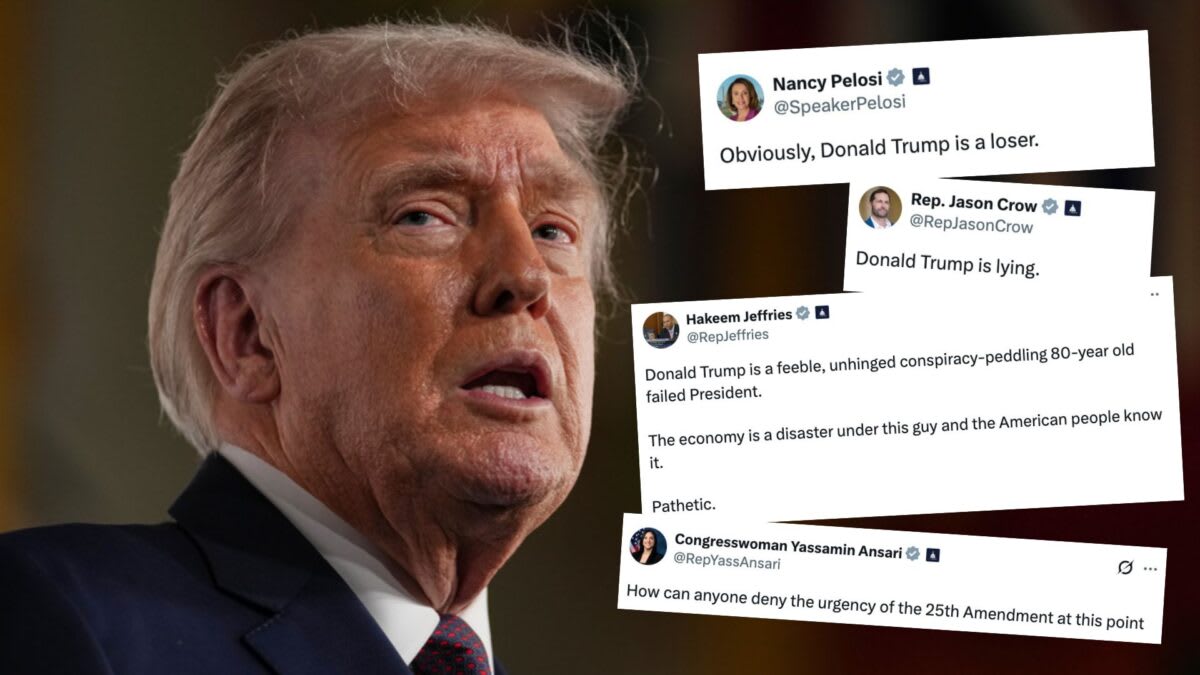
President Trump used a nationally televised speech to renew criticism of the country's election systems, arguing that additional safeguards are needed ahead of the 2026 midterms. Democratic leaders responded forcefully, accusing the president of undermining confidence in elections without presenting evidence for his claims.
Neither side is treating this as a short-lived political disagreement.
Instead, it has become part of a broader struggle over one of the most fundamental questions in American democracy: How do voters decide whether they can trust the process itself?
Here are five developments that help explain where that debate stands today.

1. Trump Puts Election Integrity Back at the Center of the Conversation
In a wide-ranging speech, President Trump returned to one of the defining themes of his political career: election integrity.
The president argued that additional safeguards—including stricter voter verification and changes to how ballots are processed—are necessary to strengthen public confidence ahead of the 2026 elections.
Supporters say the proposals would improve transparency and reassure skeptical voters. Critics argue that existing election systems already include extensive safeguards and that repeated allegations of widespread fraud have not been substantiated in court.
Whatever one's view, the speech ensured that election administration is once again a central issue in national politics.
Further Reading:

2. Democrats Move Quickly to Counter the Message
Democratic leaders responded within hours, framing the president's remarks as an attempt to cast doubt on future election results before votes are even cast.
Several governors, secretaries of state, and congressional leaders emphasized existing election security measures and argued that public confidence depends on respecting certified results while continuing to improve election administration where needed.
The speed of the response underscored how prepared both parties have become for debates over election procedures.
Rather than treating the issue as episodic, each side now appears to view election administration as a permanent political battleground.
Further Reading:
3. The Courts Remain a Central Arena
As election-related disputes continue to emerge, the judiciary remains one of the primary institutions resolving conflicts over voting procedures, ballot access, and state election laws.
Judges across the country continue weighing challenges involving election administration, reinforcing a trend that has become increasingly familiar over the past decade: many of the nation's biggest election disputes are ultimately settled in court rather than in legislatures.
That reality places extraordinary pressure on judges to resolve questions that are both legally complex and politically charged.
Further Reading:

4. State Officials Prepare for 2026
Behind the national rhetoric, election administrators are focused on a much more practical task: preparing for next year's midterms.
Across the country, states are updating voting equipment, reviewing security procedures, training poll workers, and testing systems designed to ensure accurate vote counting.
While political leaders debate policy, election officials are largely focused on execution—making sure millions of Americans can cast ballots efficiently and securely.
Their work often receives far less attention than the political arguments surrounding it, despite playing a central role in every election.
5. Trust Has Become the Real Political Battleground
The debate is no longer simply about voting rules.
It's about confidence.
Polls continue to show that Americans express varying levels of confidence in elections, often differing sharply along partisan lines. That makes trust itself one of the country's most contested political issues.
Both parties say they want secure, accessible, and trusted elections.
Where they differ is in how they believe those goals are best achieved—and in how they describe the current state of the system.
As the 2026 midterms approach, that debate is likely to become even more prominent.
Because in a democracy, public confidence isn't just a political issue.
It's part of the system itself.
Further Reading:

The past two weeks have shown that election administration is no longer a topic that emerges only every four years.
It has become a year-round political issue, touching the presidency, the courts, state governments, and Congress.
Whether the coming debate leads to policy changes, continued legal challenges, or simply more political rhetoric, one thing is clear: the conversation over election integrity is once again shaping the national agenda—and it's likely to remain there through the 2026 midterms.
Until next time,
The CrowdBlue Pulse
